


The first day of spring is next Friday, March 20th.
In the last two weeks, I have observed multiple vehicles running traffic control devices. Take time now to meet with your drivers and discuss the days ahead, as temperatures will increase and we will see the sun more often. For many of us, it has been a long winter.
Caution your drivers about complacency and inattention. As a carrier, it seemed that the worst accidents occurred during the months of March and April. Drivers had spent the entire winter being alert for changing road conditions, traffic, and weather. When road conditions improved and the weather became more enjoyable, that was often when drivers let their guard down and accidents occurred.
Take the time now to caution drivers and reinforce good defensive driving behavior.
2026 National Work Zone Awareness Week – April 20–24
National Work Zone Awareness Week (NWZAW) is an annual spring campaign
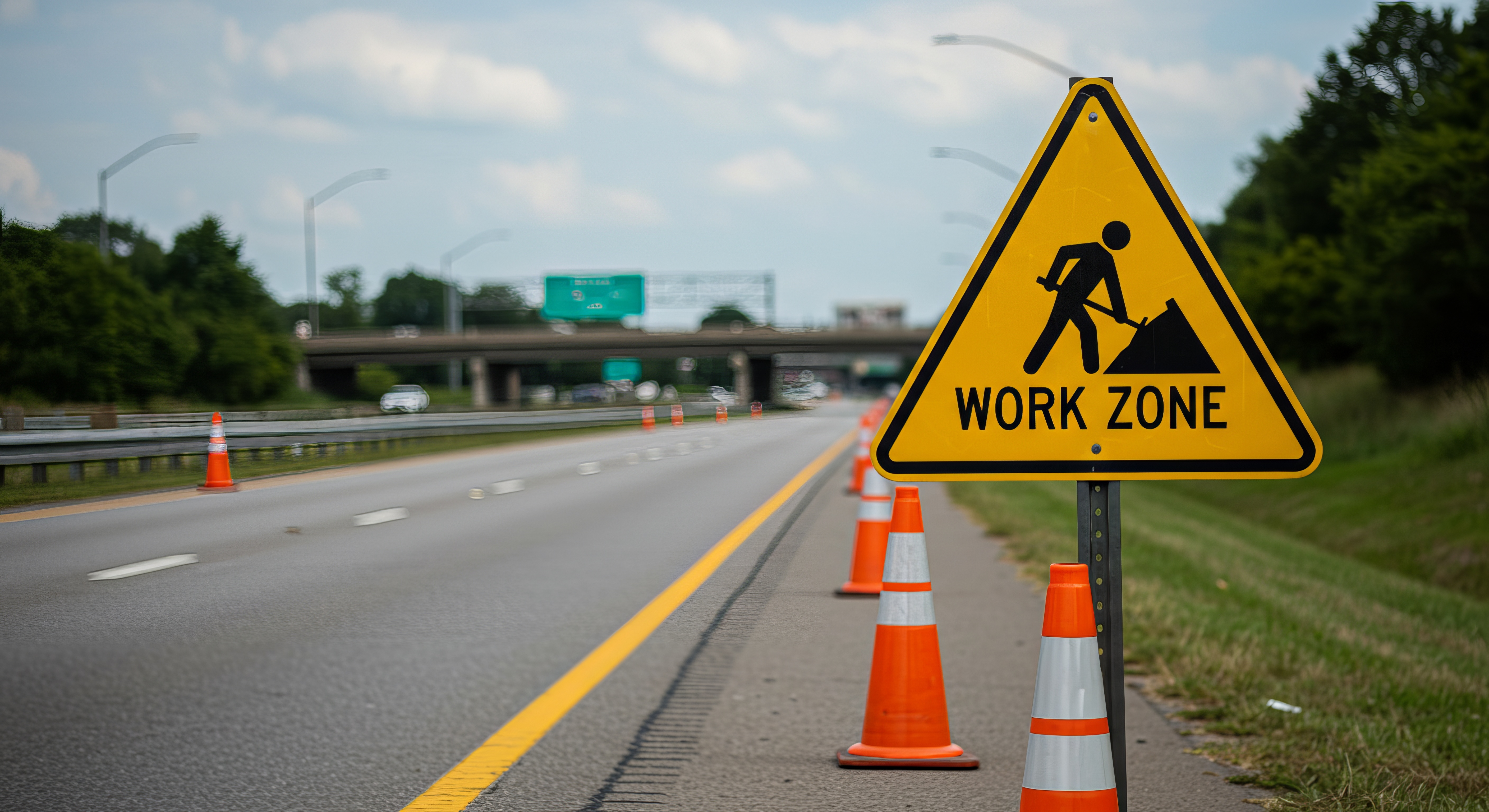
held at the start of construction season to encourage safe driving through highway work zones and construction sites. The key message is for drivers to use extra caution in work zones.
For more information, check out the link below:
NATIONAL WORK ZONE AWARENESS WEEK – Home
10 Tips for Driving Safely in Work Zones
• EXPECT THE UNEXPECTED! (Normal speed limits may be reduced, traffic lanes may change, and people may be working on or near the road.)
• SLOW DOWN! (Speeding is one of the major causes of work zone crashes.)
• DON’T TAILGATE! KEEP A SAFE DISTANCE BETWEEN YOU AND THE VEHICLE AHEAD OF YOU. (The most common crash in a highway work zone is a rear-end collision, so do not tailgate.)
• KEEP A SAFE DISTANCE BETWEEN YOUR VEHICLE AND CONSTRUCTION WORKERS AND THEIR EQUIPMENT.
• PAY ATTENTION TO THE SIGNS! (Warning signs are there to help you and other drivers move safely through the work zone. Observe the posted signs until you see the one indicating you have left the work zone.)
• OBEY ROAD CREW FLAGGERS! (The flagger knows what is best for moving traffic safely through the work zone. A flagger has the same authority as a regulatory sign, so you can be cited for disobeying his or her directions.)
• STAY ALERT AND MINIMIZE DISTRACTIONS! (Dedicate your full attention to the roadway and avoid changing radio stations or using cell phones while driving in a work zone.)
KEEP UP WITH THE TRAFFIC FLOW. (Motorists can help maintain traffic flow and posted speeds by merging as soon as possible. Do not drive right up to the lane closure and then try to barge in.)
• SCHEDULE ENOUGH TIME TO DRIVE SAFELY AND CHECK RADIO, TV, AND WEBSITES FOR TRAFFIC INFORMATION. (Expect delays and leave early so you can reach your destination on time. Check the National Work Zone Safety Information Clearinghouse — https://workzonesafety.org/ — for information on work zone delays throughout the country.)
• BE PATIENT AND STAY CALM. (Work zones are not there to personally inconvenience you. Remember, work zone crew members are working to improve the road and make your future drive better.)
Question of the Week
While doing my pre-trip inspection, I noticed a cut in the sidewall of one of my tires. Is this an out-of-service violation?
Answer: It is an out-of-service violation if the sidewall is cut, worn, or damaged to the extent that the ply cord is exposed. (393.75(a))
Tire Safety
Tire safety is an important part of a driver’s daily pre-trip and post-trip inspections.
Accidents are often caused by improperly inflated tires. With fuel and tires being two of the largest expenses in operating a truck, it is important to ensure that
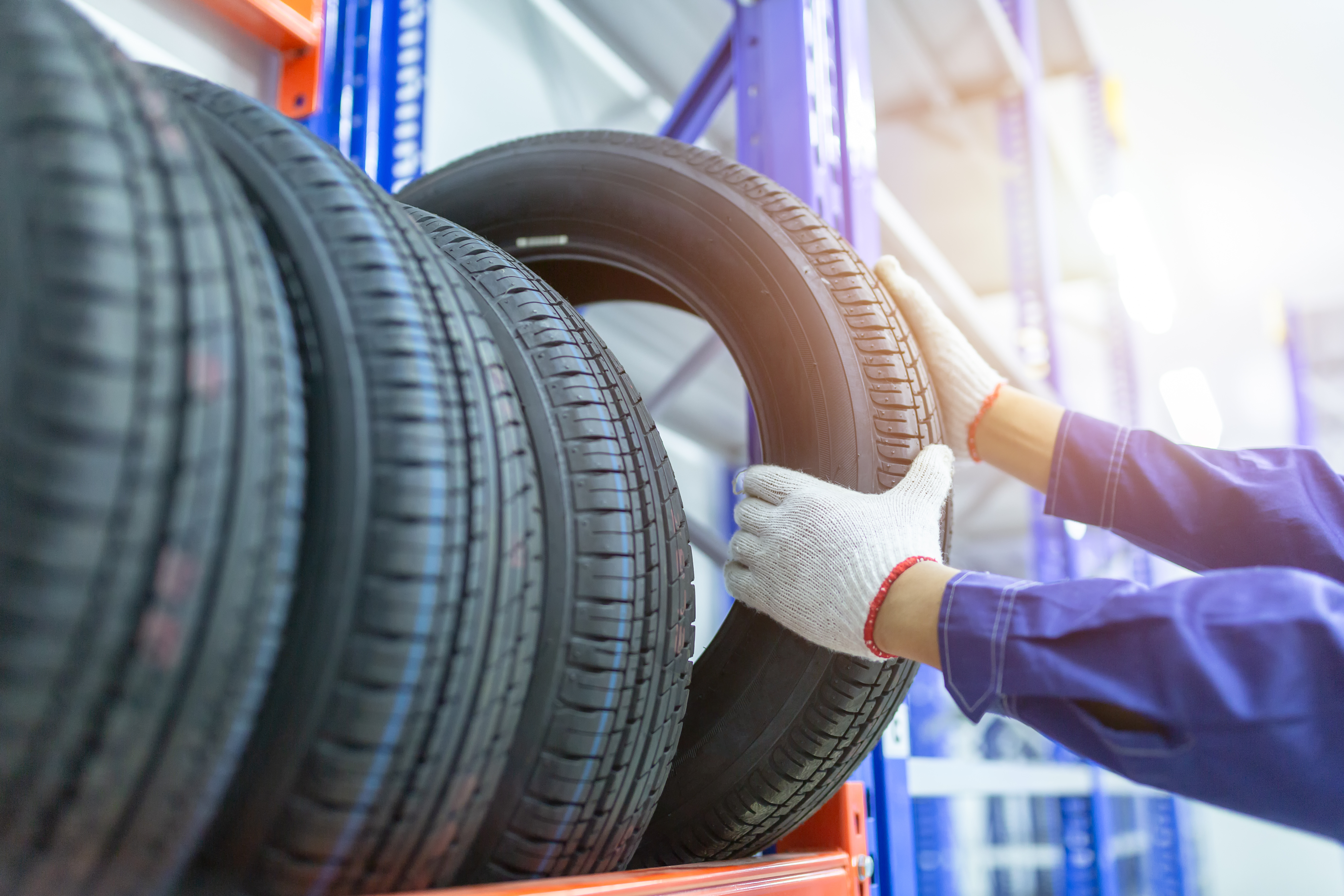
tires are properly inflated. The service life of a tire is shortened by improper inflation, and underinflated tires can significantly reduce a unit’s fuel mileage.
The only accurate way to determine the air pressure in a tire is to check it with a tire pressure gauge.
At your next driver safety meeting, inflate three tires on rims with pressures varying by 10 lbs each: one tire at the correct pressure, one 10 lbs under, and one 20 lbs under. See if drivers can identify which tire has the correct pressure.
A unique workers’ compensation case I reviewed involved a driver checking his tires by thumping them with a hammer. The hammer bounced back and broke the driver’s jaw.
When inspecting tires, also pay close attention to wear patterns and tread depth. FMCSA regulation CFR 393.75 requires steer axle tires to have a minimum tread depth of 4/32”, while all other applications, including trailers, must have a minimum tread depth of 2/32”.
Pay attention to your tires, and they will provide many miles of service.
Saint Patrick’s Day Drunk Driving Prevention — March 17
St. Patrick’s Day is one of the deadliest holidays on our nation’s roads. During the 2017–2021 St. Patrick’s Day holiday period (6:00 PM March 16 to 5:59 AM March 18), 272 lives were lost due to drunk-driving crashes.
Buzzed Driving is Drunk Driving.


