


Daylight saving time will “fall back” at 2:00 a.m. on Sunday, November 1.
Make sure all drivers are aware of the upcoming time change. Caution route drivers, in particular, that daylight conditions will change throughout their routes. Intersections and streets may present different challenges due to the one-hour shift in the position of the sun. Drivers should remain alert and adjust to these changing conditions.
Got Chains?
If you operate in states that require tire chains to be carried on board, make sure the chains are the correct size, properly secured, clean, and free of damage so they can be easily installed when needed.
Not sure what your state's chain laws are? Visit:
http://www.tirechainsrequired.com/laws.html
O’ Say Can You See?
Not only is this the opening line of the United States National Anthem, but it is also a question every driver should ask themselves when operating a vehicle.
Clear visibility of the road and surrounding areas is essential for operating a vehicle safely and preventing damage or injury to yourself and others on the roadway.
During a recent road trip to a neighboring state with a colleague, we observed several vehicles putting themselves and others at risk by driving unsafely in low-visibility conditions, such as rain and nighttime darkness.
Nighttime and Low-Visibility Driving
Nighttime driving is more difficult because visibility is reduced. However, low-visibility conditions can also occur during the day due to heavy snowfall, downpours, thick fog, blowing dust, or smoke.
Follow these safety tips when driving in low-visibility conditions:
-
Slow down and disengage your cruise control. Many accidents occur because drivers travel too fast for weather and road conditions.
-
Use your low-beam headlights. High beams can reflect off fog or snow, reducing visibility for you and other drivers.
-
Keep all lights clean. Make sure your headlights, taillights, and other lights are free of bugs, dirt, and road film to maximize visibility.
-
Avoid entering areas with severely limited visibility. Do not proceed if you cannot see a safe distance ahead.
-
If you suddenly encounter a severe loss of visibility, reduce your speed and, when safe, pull completely off the roadway to a designated safe location. Activate your emergency flashers to alert other drivers.
-
If you cannot safely pull off the roadway, slow down, use your low-beam headlights, and maintain a safe following distance. Use the white fog line or roadside reflectors, if necessary, to help guide you.
-
Never stop in an active travel lane unless an emergency makes it unavoidable.
Driving in Rain
Many drivers underestimate how dangerous driving in the rain can be and often travel too fast for the conditions.
The next time you are driving a truck in the rain, look in your mirrors and notice how much water spray your tires generate. This spray can significantly reduce visibility for drivers behind you.
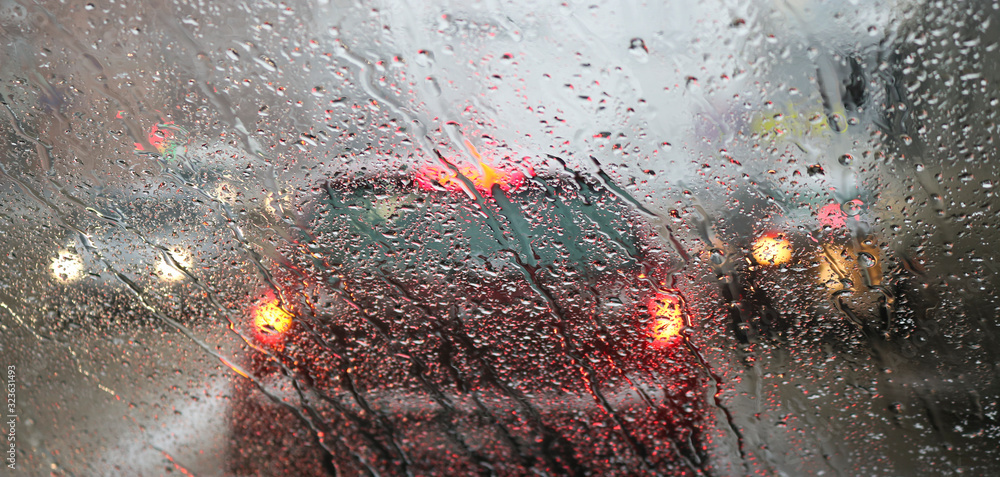
Remember, hydroplaning can occur at speeds as low as 35 mph, depending on road and tire conditions. Do yourself and others a favor by reducing your speed and driving cautiously in the rain.
Be especially careful when operating a tractor without a trailer (bobtailing) in wet conditions. Without the trailer, the vehicle's braking characteristics change, increasing the risk of skidding or losing control.
Many trucks have jackknifed because drivers were traveling too fast and needed to stop suddenly. The risk of losing traction can also increase when carrying a light load.
When passing another vehicle, make sure you have enough room to safely return to your lane. Moving back into the lane too soon can force another vehicle off the road or cause an accident.
Water spray can make it difficult to accurately judge distances, so pay close attention to your surroundings when passing other vehicles.
Finally, use extra caution when approaching curves, especially in rainy conditions. Reduce your speed, maintain control of your vehicle, and always drive according to the road and weather conditions.


