


With the arrival of summer, many of us are looking forward to spending more time outdoors. School is out, so many children will be participating in outdoor activities and traveling to and from various events throughout the day. Adults, too, are taking advantage of the longer daylight hours, so let us all commit ourselves to staying alert and staying safe.
Here are some safety tips for drivers that I urge you to follow:
• The last week of school is an exciting time for children, and they may become preoccupied and forget the rules of
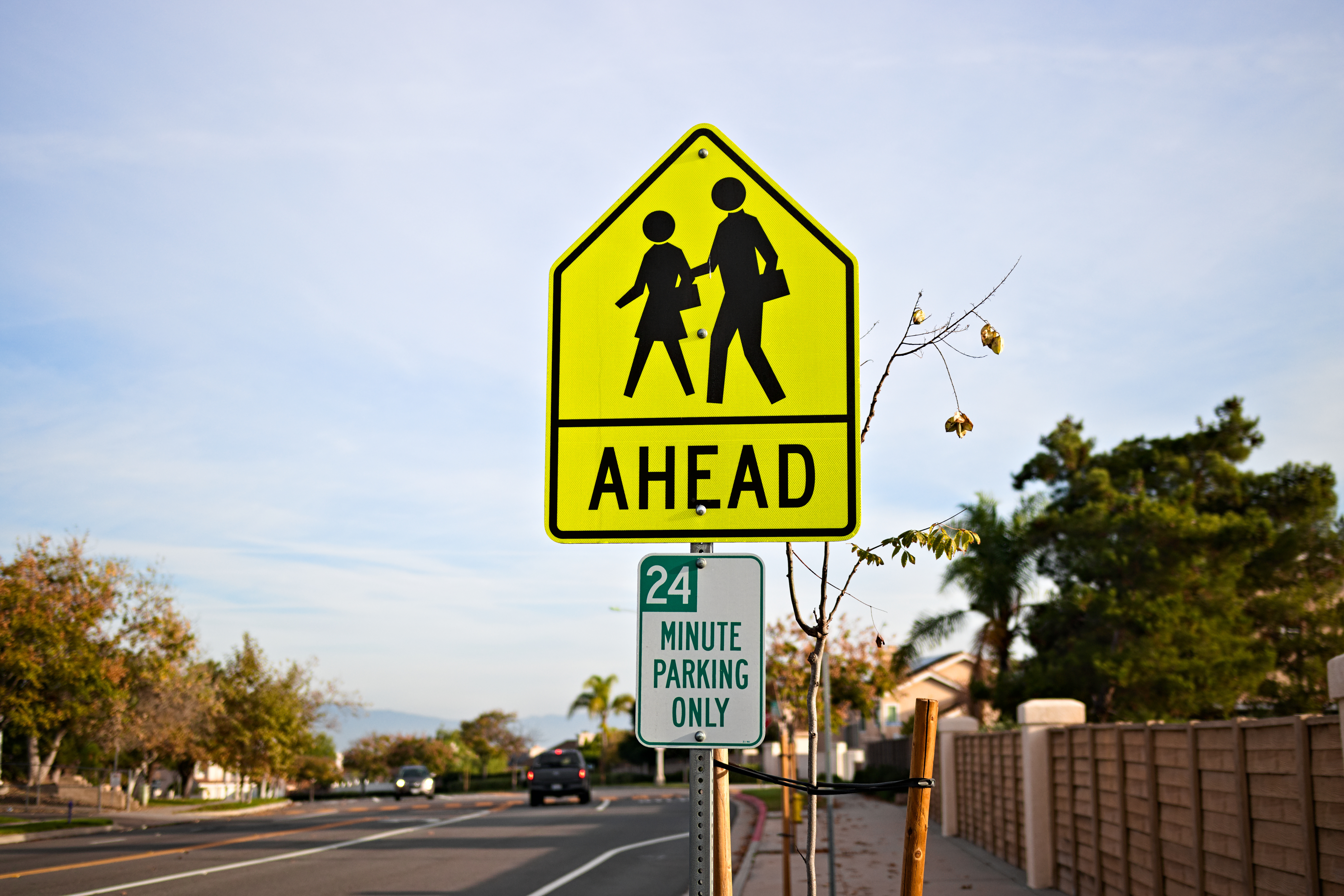
the road. Use extra caution when driving through school zones.
• During those last few days of school, be aware that children may be arriving at or leaving school at different times throughout the day.
• Remember that playground speed limits remain in effect year-round. Use caution when driving around playgrounds and parks. Small children are less predictable and harder to see than adults.
• Watch for clues. A hockey net, ball, or other toys in the road or on the sidewalk can indicate that children are playing nearby. Pay attention and always anticipate the unexpected.
• Always watch for small children when backing up. Walk around your vehicle to ensure no children or pets are behind it.
• As you make your deliveries, you may encounter children who would normally be in school riding bikes, skateboards, walking through parking lots, shopping centers, and crossing streets.
Heat and Your Truck
For drivers to operate a commercial motor vehicle (CMV) safely, they must understand how heat affects vehicle performance. Two areas that drivers should pay close attention to during inspections are the engine coolant and the tires.
Engine Coolant
Approximately eight years ago, OEM truck manufacturers introduced Extended Life Coolant (ELC) into the industry. With each EPA emissions update, engine operating temperatures have increased by 10 to 15 degrees. It is estimated that 50% of all engine failures are associated with overheating.
With today's emission systems, an engine running low on coolant is at risk of damaging emission components such as the Exhaust Gas Recirculation (EGR) system.
One benefit of using ELC is that it can improve the engine's heat transfer rate by 12% to 13% compared to conventional antifreeze.
Diesel Exhaust Fluid (DEF)
There is a quality-level sensor in the DEF tank that can be affected by extreme heat. It is recommended that you keep the DEF tank as full as possible during hot weather to help keep the sensor cool.
During pre-trip and post-trip inspections, drivers should:
- Make sure the coolant level is within the marked range on the side of the coolant reservoir.
-
If the coolant level is low, contact your Idealease service provider immediately for guidance. ELC coolant should be red or orange in color and free of dirt, debris, rust, and other contaminants.
Do NOT mix ELC with conventional antifreeze.
- If an overheating warning light appears on the dashboard while operating a CMV, pull over safely as soon as possible and contact your Idealease service provider for guidance. Continuing to operate the vehicle while it is overheating can cause severe engine damage.
Tires
During the summer months, ambient temperatures can exceed 100°F, and road surface temperatures can approach 200°F. Under these conditions, the
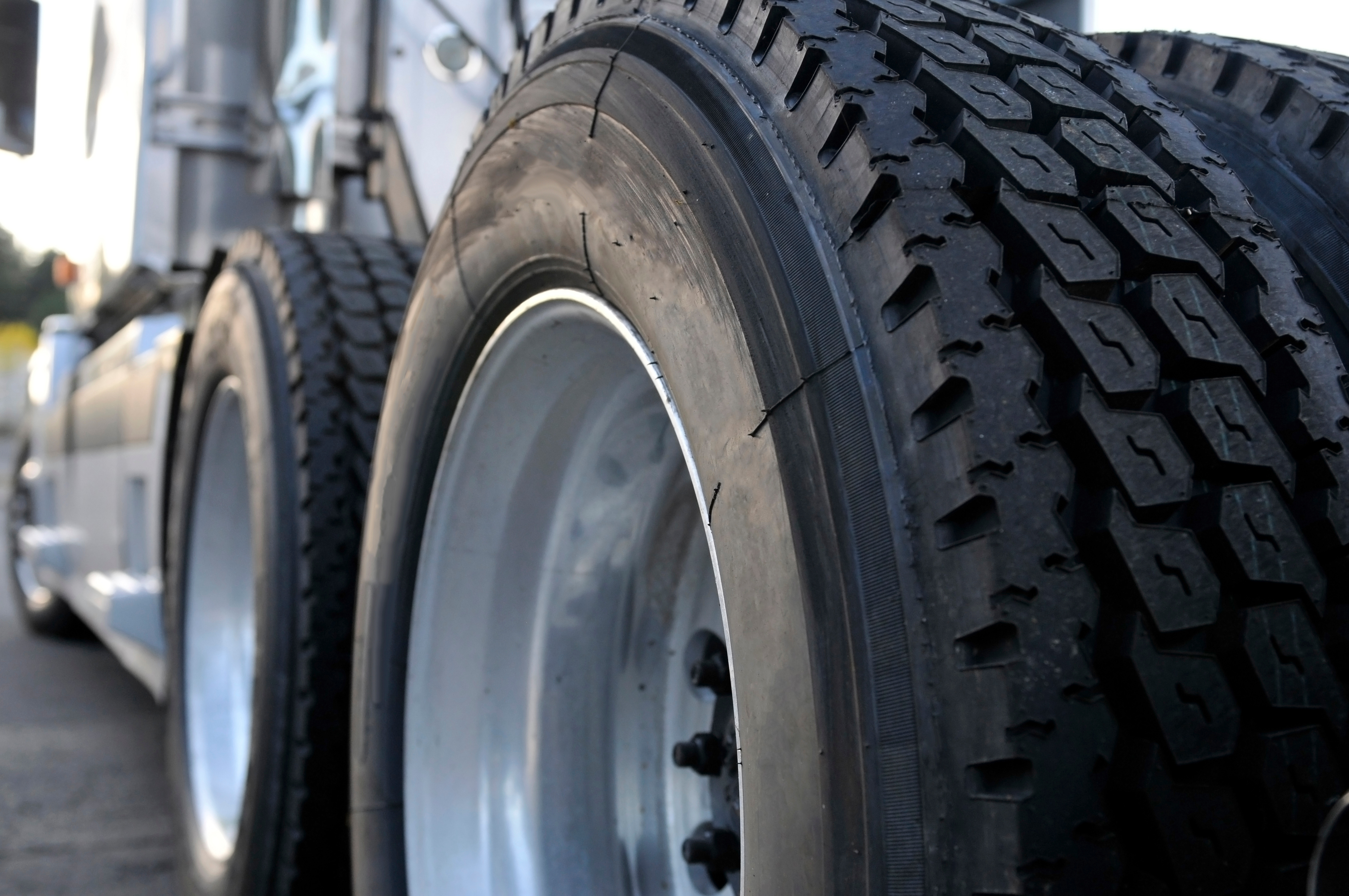
problems caused by underinflated tires become even more severe. Tires operated with insufficient air pressure are much more prone to failure in extreme heat.
A well-known tire engineer once stated, "Heat is to tires what Kryptonite is to Superman"—in other words, it is their worst enemy.
When you combine hot summer temperatures, underinflated tires, heavy loads, and high speeds, you have a recipe for tire failure. That's exactly why you tend to see more tire debris, often referred to as "alligators," on highways during the summer.
What can drivers do to minimize tire-related issues during the summer months?
- Check tire pressures more frequently during the summer.
- Check tire pressures when the tires are "cold" and not immediately after operation. Tire pressure can increase by as much as 15% when tires are hot, resulting in a false reading.
- Inspect tires for punctures and damage during pre-trip and post-trip inspections, as well as during stops. Tire punctures tend to increase during the summer because tread rubber becomes hotter and softer, making it more susceptible to nails and road debris.
- Immediately report any tire conditions requiring attention to your Idealease service provider.


