


Urge Drivers to Stop Illegal School Bus Passing
Last week, in my home state, a car hit a school bus broadside, causing the bus to turn onto its side. Luckily, there were only three minor injuries. With schools back in full swing, now is a good time to remind your drivers to use extreme caution around school buses.
A crash near Grand Island Senior High left a school bus on its side on September 9, 2024. (NTV News)
National School Bus Safety Week is October 19–23, 2026. The U.S. Department of Transportation’s National Highway Traffic Safety Administration (NHTSA) is urging drivers to slow down and be aware of school buses in their communities.
Although school buses are one of the safest modes of transportation, injuries and fatalities do occur outside of or near the buses. Most often, these tragedies occur because a motorist has failed to slow down and obey the bus’s stop sign or follow local traffic laws.
Nationally, passing a stopped school bus is illegal and poses a deadly risk to bus riders and their caretakers. Drivers should always come to a complete stop when a school bus’s stop arm is extended and the red lights are flashing.
From 2014 to 2023, there were 1.5 times more fatalities among pedestrians (169) than occupants of school buses (111) in school-bus-related crashes. A total of 111 school-age children (18 and younger) died in school-bus-related crashes during that period, either as occupants of school buses or other vehicles, or while walking or riding a bicycle. Of the 111 deaths, 25 were children who were walking.
From 2000–2022, there were 55 fatalities in crashes that involved a driver illegally passing a stopped school bus. Almost half of those fatalities (25) were pedestrians who were 18 years old or younger.
When a school bus’s red lights are flashing and the stop
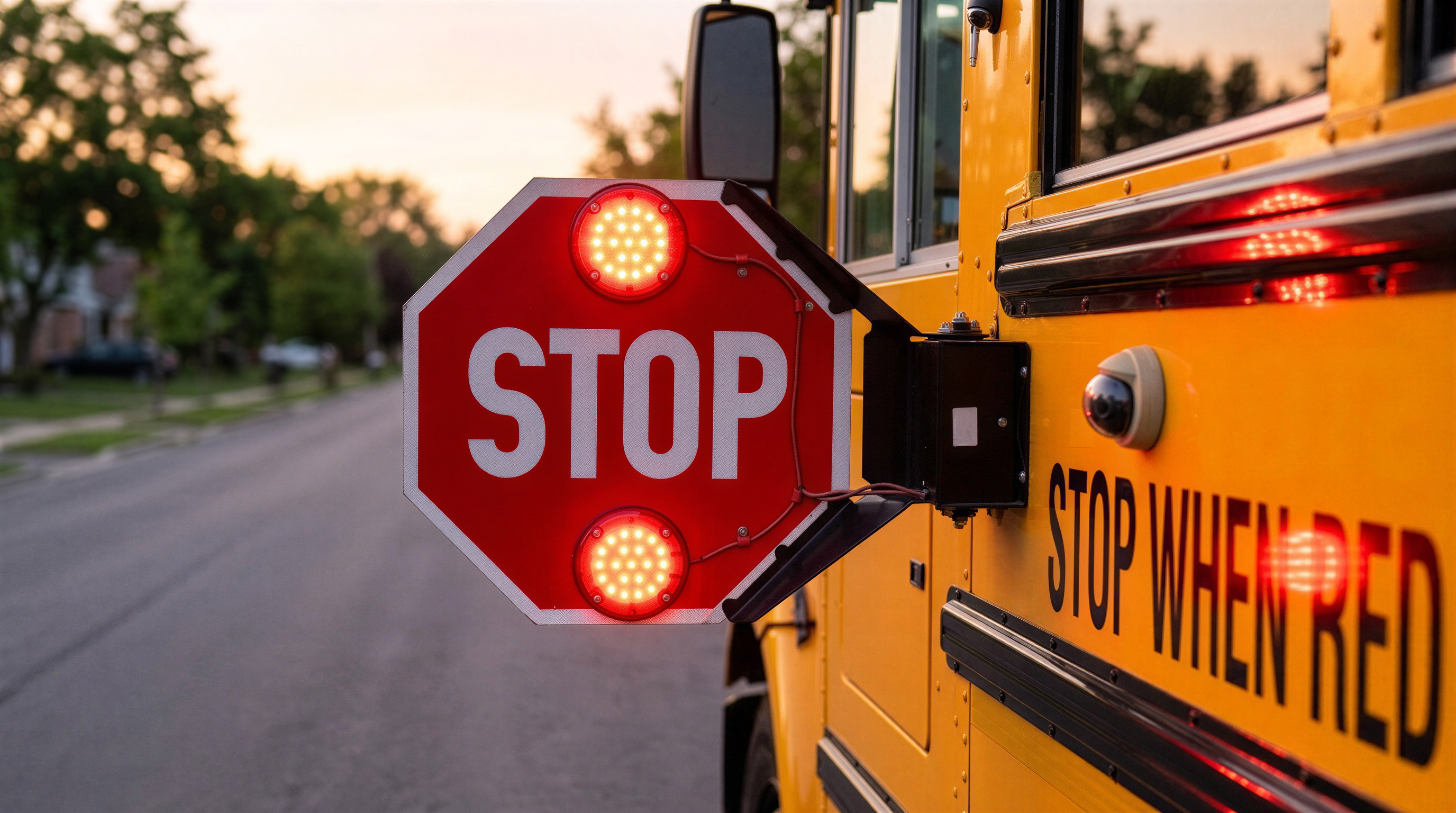
arm is extended, drivers must slow down and come to a complete stop. This is not a suggestion—it’s the law.
Yellow flashing lights indicate that the bus is preparing to stop to load or unload children. This is when motorists should begin to slow down and prepare to stop their vehicles.
Motorists may begin moving only when the red flashing lights are turned off, the stop arm is withdrawn, and the bus begins to move.
School bus riders and their caretakers are relying on drivers to follow the law to keep them safe.
Respect the “Danger Zone”
The school bus loading and unloading area is called the “Danger Zone.” Specifically, this is any area around the bus where the bus driver may not be able to see a child, making the child most vulnerable to injury. These areas include:
-
10 feet in front of the bus, where the driver may be sitting too high to see a child.
-
10 feet on either side of the bus, where a child may be in the driver’s blind spots.
-
Behind the school bus, where the driver may not be able to see a child.
What You Should Know About Sharing the Road With School Buses
For more information about school bus stop safety, please visit NHTSA’s School Bus Safety webpage.
Have You and Your Employees “Bought” Into Safety?
Years ago, after a driver safety meeting, a driver approached me and commented that he knew how to drive safely. He stated that he had not had any accidents and knew what to do in case of an accident, so why was I so intent on “selling” safety to him every chance I had?
I told him that the most important sale I could ever make would be your life and safety. You may not be in a buying mood today, but later on—tomorrow, next week, or next year—it may be too late.
By “buying” into safety, your actions may keep others alive as well as yourself!
This is what it will cost you to “buy” into Safety:
-
Two seconds to fasten your seat belt.
-
Ten minutes for a thorough pre-trip inspection.
-
Ten seconds to make sure your mirrors are properly adjusted.
-
Two seconds to shut off your cell phone before operating a motor vehicle.
-
Eight hours to get proper rest.
-
Thirty seconds to clean the trash from your vehicle at the end of your trip or route.
-
Keep your mind on your driving.
-
A fraction of a second to turn on your turn signal.
-
Two minutes to walk around your entire vehicle while fueling or stopped to make sure it is in safe operating condition.
-
Leave on time and allow extra time for adverse weather conditions.
-
Slow down in poor weather conditions such as fog, rain, snow, or ice.
-
Increase your following distance.
-
Expect the unexpected.
National Truck Driver Appreciation Week Is September 13–19, 2026
Nearly every aspect of daily life is made possible because a truck driver delivered the goods and resources people need.
National Truck Driver Appreciation Week is an important time for America to pay respect to and thank all professional truck drivers for their hard work and commitment to one of our economy’s most demanding and important jobs. These 3.5 million professional men and women not only deliver our goods
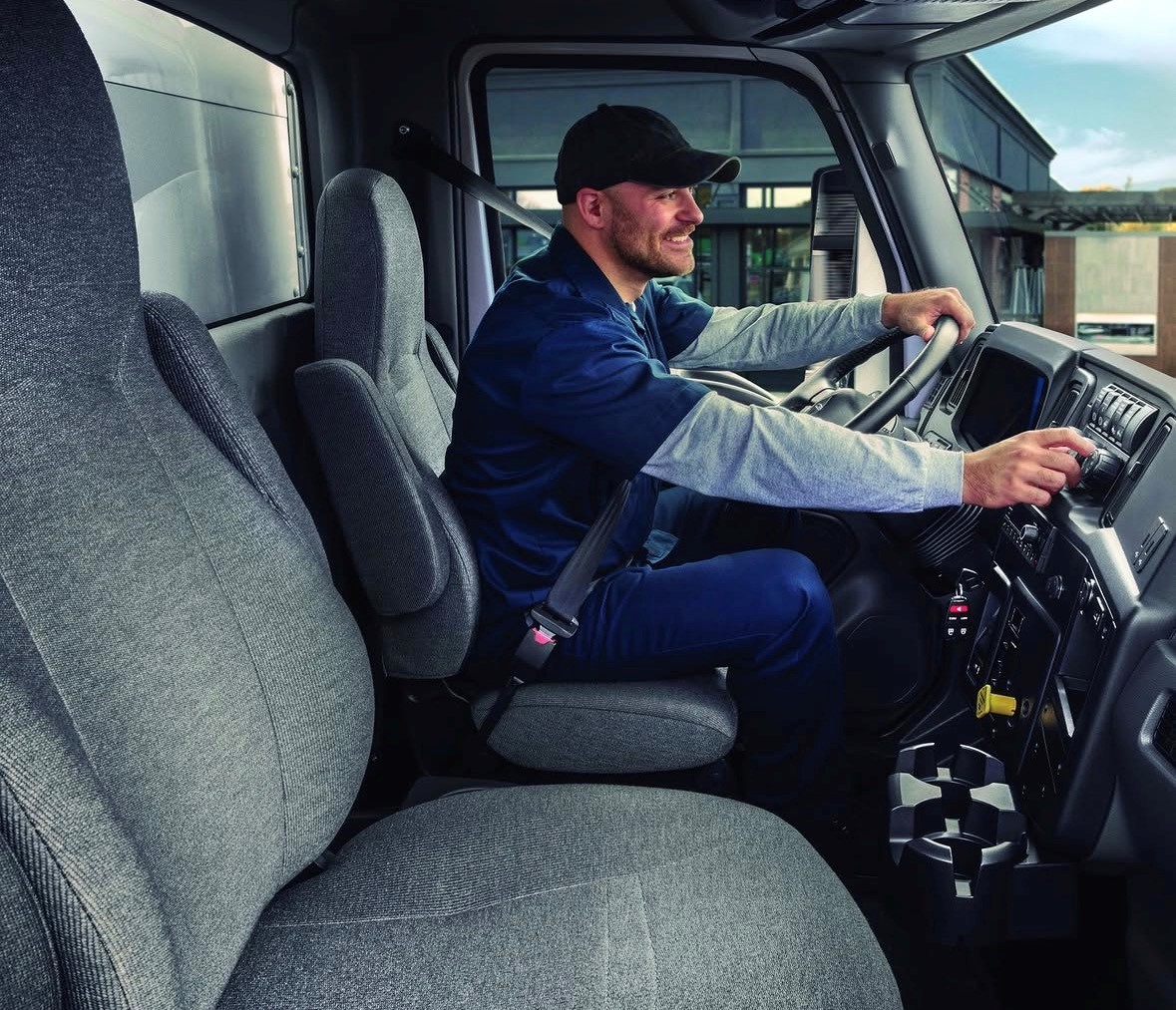
safely, securely, and on time, but they also help keep our highways safe.
Americans and Canadians have taken extraordinary steps to show their appreciation for the important work professional truck drivers do. From children passing out lunches to “I Heart Truck” signs across the highways, the public has taken notice of the essential role truck drivers play in their lives.
As we reflect on the past three years, I often wonder where we would be today if truck drivers had refused to drive at the onset of the COVID-19 pandemic. They continued delivering personal protective equipment (PPE), food, medical supplies, and so much more when our country needed them most.
This week in September is a small way to show appreciation to the 3.5 million professional men and women who not only deliver our goods safely, securely, and on time, but also help keep our highways safe.
Start planning now to do something special for your drivers during this week in September that we set aside to recognize and appreciate them.


