


To help everyone bring home treats—not tragedies—follow these tips for a safe Halloween:
-
Focus on your driving. A single distraction could lead to a tragedy.
-
Stay well below the posted speed limit when driving in areas with trick-or-treaters.
-
Pay attention to what's happening on sidewalks and roadways. Watch for children darting across streets, especially between parked cars.
-
Be extra alert when pulling into and out of driveways.
-
Do not assume children can see you or are paying attention. It is your responsibility to watch for them.
-
Make sure all lights on your vehicle are working properly.
-
Do not pass vehicles that have stopped in the roadway. They may be dropping off children.
-
If you're driving a group of children and remaining in your vehicle at the curb, turn on your hazard lights to alert other motorists.
-
If you're driving to a Halloween party, wait until you've parked your vehicle before putting on your mask.
Parents can help motorists, too:
-
Make sure drivers can see your children. Give them flashlights or glow sticks, dress them in bright, reflective clothing, or add reflective tape to their costumes.
-
Use makeup rather than masks so children have a clear, unobstructed view of their surroundings.
-
Make sure children know how to cross a street safely: look left, right, and left again before crossing.
-
Instruct children to stay on sidewalks and cross only at corners or designated crosswalks.
-
Accompany your children while they trick-or-treat.
Safely Getting In and Out of a Commercial Motor Vehicle
Now is a good time to remind drivers to follow the three-point contact rule when getting into and out of their trucks.
During the winter months, footing conditions can become hazardous, increasing the risk of slipping or falling.
The three-point contact rule means keeping three of your four contact points (hands and feet) securely in contact with the vehicle at all times.
For example, when exiting a truck, keep one hand on the cab handle, the other hand on an interior grab handle, and one foot on a step while moving your other foot. This ensures that you maintain three points of contact and helps reduce the risk of slipping or falling.
November 1–7: Drowsy Driving Prevention Week
The National Sleep Foundation launched Drowsy Driving Prevention Week as an educational campaign designed to save lives by raising awareness of the dangers of driving while sleepy.
The National Highway Traffic Safety Administration has estimated that drowsy driving causes at least 100,000 police-reported crashes and more than 1,550 deaths annually.
While all states have laws addressing drunk driving, fewer have specific laws addressing drivers who fall asleep
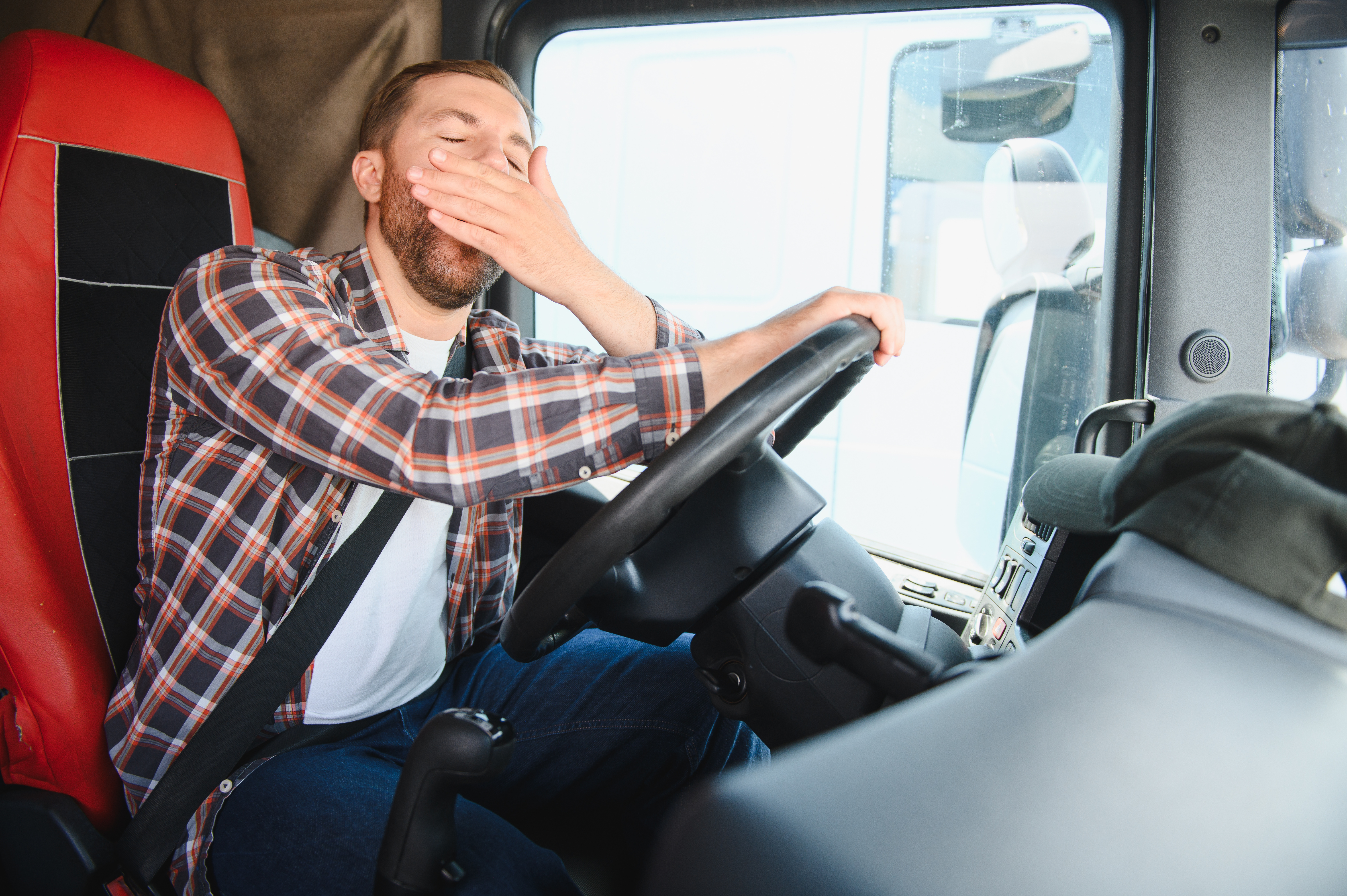
behind the wheel and cause crashes.
New Jersey's "Maggie's Law" explicitly addresses drowsy driving under its vehicular homicide statute. This law has helped raise awareness of the consequences of driving while fatigued and has encouraged other states to consider similar legislation.
For more information on Drowsy Driving Prevention Week, visit www.drowsydriving.org.
What You Can Do to Stay Alert While Driving
Sleep and Naps: Your best option is to get enough sleep every day. If you must stay up late, an afternoon nap can help you get additional rest. If you feel drowsy while driving, pull over in a safe location and take a short nap.
Caffeine: Avoid caffeine during the latter half of your workday if it interferes with your sleep. Coffee and other sources of caffeine may temporarily increase alertness, but the effects generally take about 30 minutes to begin and wear off after several hours. Caffeine is not a substitute for adequate sleep.
Regular Stops: Plan to stop every 100 miles or two hours. Switch drivers whenever possible.
Air Conditioning and Recirculation: Avoid relying on air conditioning or recirculation settings to keep you awake. These settings do not replace adequate rest, and prolonged use of recirculated air may contribute to increased carbon dioxide levels inside the vehicle.
Avoid Alcohol: If you have been drinking, do not drive. Alcohol impairs your driving ability and can increase drowsiness and fatigue.
Tips for Avoiding Fatigue on Long Trips
AAA offers the following recommendations:
-
Prepare for your trip by getting a good night's sleep beforehand. Plan to drive during the hours when you are normally awake, and consider staying overnight rather than driving straight through.
-
Avoid driving during the body's natural periods of reduced alertness, generally in the midafternoon and between midnight and 6:00 a.m.
-
If you have passengers, talk with them. They may be able to recognize signs that you are becoming sleepy.
-
Schedule a break every two hours or 100 miles. Take a nap, stretch, walk, or get some exercise before resuming your trip.
-
Stop immediately in a safe location if you notice warning signs of drowsiness.
"Tricks" That Do Not Work
Opening a window, turning on the air conditioning, or playing loud music are not effective ways to keep drivers alert for extended periods.
If you become drowsy, the safest option is to stop driving and get adequate rest.
Time to Fall Back! Daylight Saving Time Ends Next Week
Daylight saving time ends at 2:00 a.m. on Sunday, November 1, 2026, when clocks will be set back one hour.
Make sure all drivers are aware of the upcoming time change.
Remind route drivers, in particular, that the amount of daylight they encounter at their scheduled stops may

change. An intersection or roadway can present different challenges depending on the position of the sun and changes in visibility.
Even a one-hour time difference can affect driving conditions along a familiar route. Encourage drivers to remain alert and adjust to changing daylight conditions.
Did You Know There Is a Federal Regulation Addressing Passengers in Commercial Motor Vehicles?
Unauthorized Passengers
49 CFR § 392.60 — Unauthorized Persons Not to Be Transported
Unless specifically authorized in writing by the motor carrier under whose authority the commercial motor vehicle is being operated, a driver may not transport or permit an unauthorized person to be transported in a commercial motor vehicle other than a bus.
When written authorization is issued, it must include:
-
The name of the person being transported.
-
The locations where transportation will begin and end.
-
The date on which the authorization expires.
Written authorization is not required for:
-
Employees or other individuals assigned to a commercial motor vehicle by the motor carrier.
-
Individuals being transported when assistance is provided in the event of an accident or other emergency.


