


Seat belts have been proven to be one of the best ways to save your life in a crash. Yet, many still do not buckle up. Worse still, not wearing a seat belt is a habit that can be passed on to impressionable youth, who may then believe it is safe to not buckle up.
The Click It or Ticket campaign focuses on safety education, strong laws, and law enforcement support to save lives.
https://www.nhtsa.gov/campaign/click-it-or-ticket
Seat Belts Save Lives
As I review our customers’ CSA SMS scores, I continue to see numerous violations related to failure to use a seat belt. This violation carries a point weighting of 7 and is detrimental to the carrier’s “Unsafe Driving” BASIC score in the CSA SMS. When drivers operate your trucks without wearing a seat belt, they are creating an unnecessary risk that you do not need.
In addition, in states where not wearing a seat belt is a primary offense, this violation can serve as the catalyst for a roadside inspection that goes beyond just a seat belt violation.
Tips for Increased Seat Belt Usage:
• A company policy stating that seat belts must always be worn in all company vehicles while the vehicle is in motion.
• Defined disciplinary action in your company policy for drivers who receive a seat belt violation.
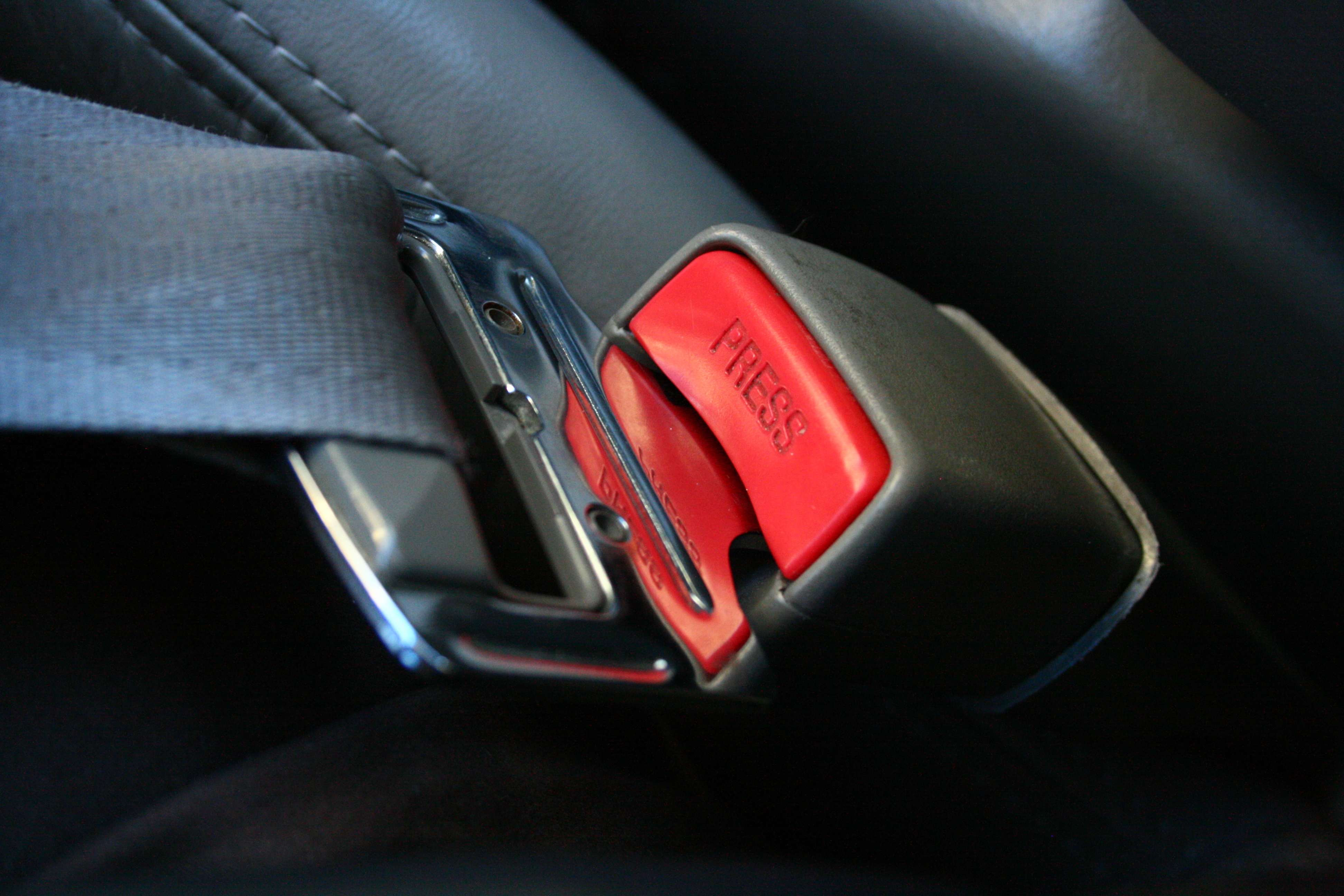
• When ordering trucks, specify bright orange or yellow seat belts for better visibility.
• Consider providing a company-sponsored seat belt life insurance policy for drivers as an incentive. This policy would pay the driver’s beneficiary if they were killed in an accident while wearing a seat belt.
• Technology is now available that will prevent a truck from starting unless the driver’s seat belt is fastened.
Does your company driver policy address seat belt usage?
One of the safest choices drivers and passengers can make is to buckle up. Many Americans understand the lifesaving value of seat belts—the national use rate was 90.4% in 2021. Seat belt use in passenger vehicles saved an estimated 14,955 lives in 2017. Understanding the potentially fatal consequences of not wearing a seat belt can help ensure that you and your family are properly buckled up every time.
Is it required by Federal Motor Carrier Regulations for a driver to wear a safety belt while operating a commercial motor vehicle?
Answer: FMCSR 392.16 requires a driver to wear a safety belt while operating a commercial motor vehicle.
Seat Belt Myths
MYTH 1: Safety belts are uncomfortable and restrict movement.
FACT: A 2005 Transportation Research Board study found that many commercial drivers do not find safety belts uncomfortable or overly restrictive. Once properly adjusted, most drivers find discomfort and restriction can be minimized.
MYTH 2: Wearing a safety belt is a personal decision that does not affect anyone else.
FACT: Not wearing a safety belt can affect your family, loved ones, and other motorists. Wearing a seat belt can help you maintain control of your truck in a crash. It is also the law—federal regulations require commercial drivers to buckle up.
MYTH 3: Safety belts prevent escape from a burning or submerged vehicle.
FACT: Safety belts can prevent you from being knocked unconscious, improving your chances of escape. Fire or submersion occurs in less than 5% of fatal large truck crashes.
MYTH 4: It is better to be thrown clear of the wreckage in a crash.
FACT: A person is four times more likely to be fatally injured if ejected from a vehicle. In 2004, 168 truck drivers died after being ejected from their cabs.
MYTH 5: It takes too much time to fasten a safety belt multiple times a day.
FACT: Buckling up takes about three seconds. Even fastening it 20 times a day only takes about one minute total.
MYTH 6: Good truck drivers do not need to wear safety belts.
FACT: Even the best drivers cannot control all conditions. Crashes can be caused by others, weather, mechanical failure, or tire blowouts. Seat belts prevent injuries and fatalities by reducing ejection and protecting the head and spinal cord.
MYTH 7: A large truck will protect you, so seat belts are unnecessary.
FACT: In 2004, 634 large truck drivers died in crashes, and 303 were not wearing seat belts. Of the 168 drivers who were ejected, nearly 75% were unbelted.
MYTH 8: Seat belts are not necessary for low-speed driving.
FACT: In a 30 mph crash, an unbelted person continues moving at 30 mph, similar to falling from a three-story building.
MYTH 9: A lap belt provides sufficient protection.
FACT: Lap and shoulder belts work together to keep drivers secure, maintain control of the vehicle, and reduce the risk of serious injury or death.
https://www.fmcsa.dot.gov/sites/fmcsa.dot.gov/files/docs/cmv-fact-myth-brochure.pdf
May is Motorcycle Safety Awareness Month
Motorist awareness is a key component of the National Highway Traffic Safety Administration’s motorcycle safety program. Over two-thirds of fatal
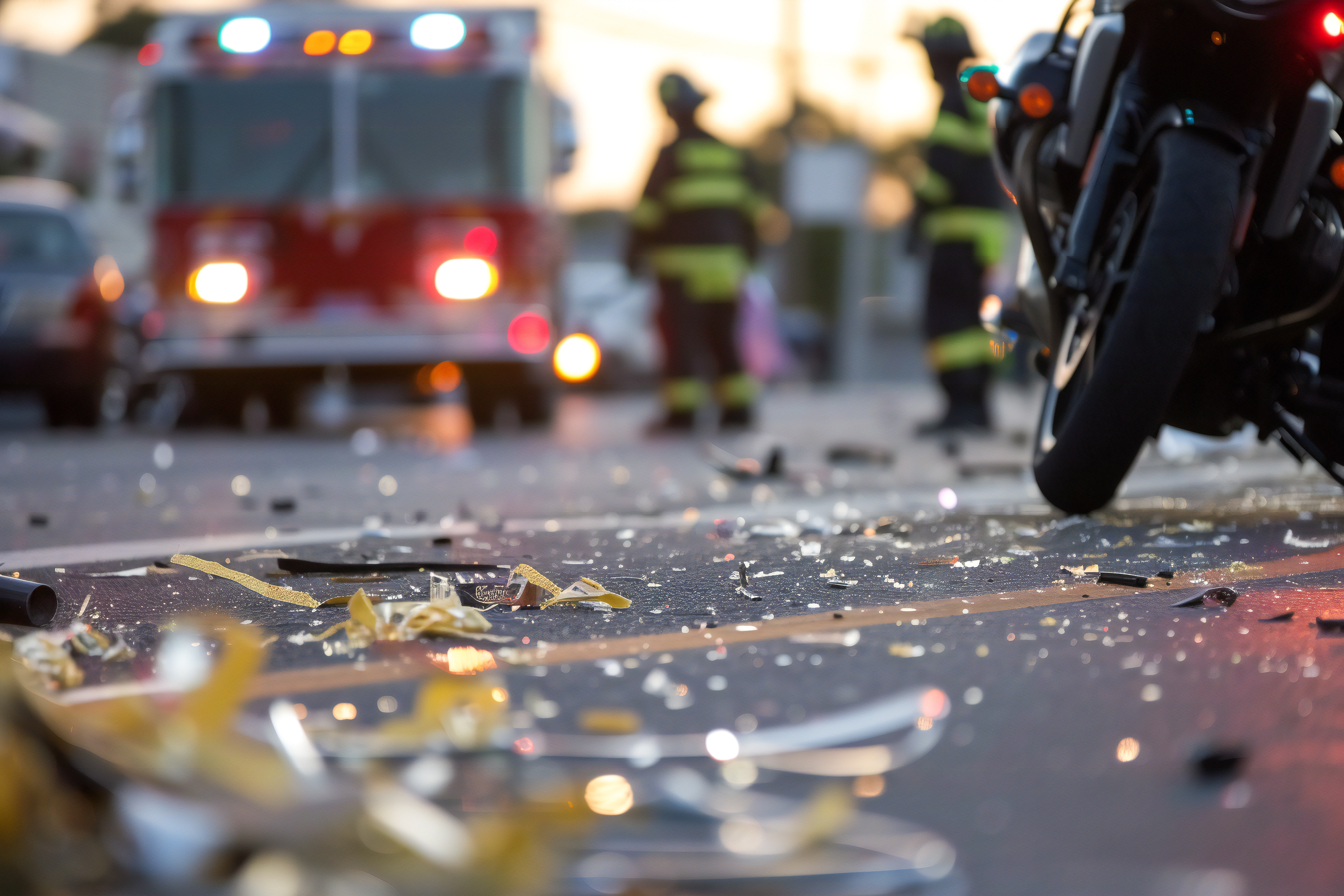
motorcycle crashes involve another vehicle. In many cases, the motorist does not see the motorcycle in time to avoid a crash.
It is important to recognize that driver actions directly impact motorcyclist safety. For example, a motorist may ignore road debris, but that same debris could be deadly for a motorcyclist.
International Roadcheck 2026: May 12–14
International Roadcheck is an annual three-day event during which CVSA-certified inspectors conduct compliance, enforcement, and educational initiatives focused on motor carrier, vehicle, and driver safety.
It is the largest targeted enforcement program for commercial motor vehicles in the world, with nearly 15 trucks and motorcoaches inspected every minute across North America during the 72-hour period.
Since its inception in 1988, more than 1.8 million roadside inspections have been conducted during International Roadcheck. This event also provides an opportunity to educate the industry and the public on the importance of safe commercial motor vehicle operations and the roadside inspection program.
CVSA sponsors International Roadcheck in partnership with the Federal Motor Carrier Safety Administration, Pipeline and Hazardous Materials Safety Administration, Canadian Council of Motor Transport Administrators, Transport Canada, and Mexico’s Ministry of Infrastructure, Communications, and Transportation.


