


Over the next two weeks, many students will be returning to school after summer break. Pedestrian-vehicle injuries are one of the leading causes of death for children ages 5 to 14. Kids are returning from summer camp, school will soon be back in session, and school buses will once again be on the roads. That means drivers need to be extra cautious around school zones, crosswalks, bus stops, and anywhere children may be playing outside.
Here are some back-to-school safety tips:
1. Be familiar with school zones.
Get in the habit of noticing where school zones and crosswalks are located along the routes you normally travel. Accidents, including pedestrian accidents,
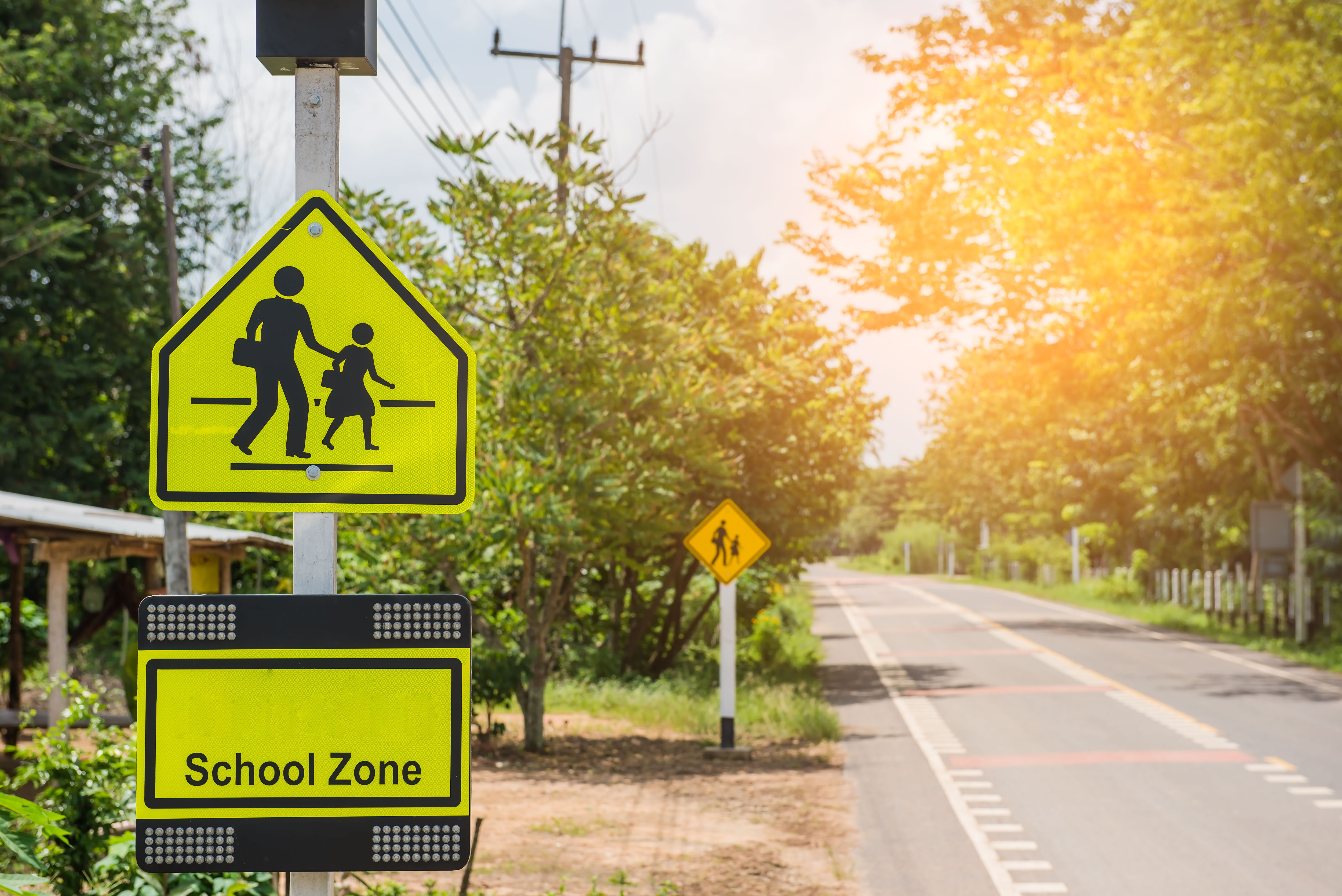
are more likely to occur on familiar roads where drivers may become too comfortable or less attentive.
2. Stop for school bus lights.
Always stop for school buses with flashing red lights. Drivers approaching the bus must come to a complete stop while the red lights are flashing. Some school buses also use flashing yellow lights, which indicate that the bus is preparing to stop. Drivers should proceed with extreme caution when yellow lights are flashing.
3. Obey crossing guards.
School crossing guards receive police training and, in most areas, have the same authority as local traffic officers. Failing to obey a crossing guard can result in serious consequences. Remember that driving on major streets with designated crosswalks and crossing guards is often safer than taking "shortcut" side streets where children may be less supervised.
4. Anticipate the unexpected.
Young children often have difficulty judging the speed and distance of approaching vehicles. Always be prepared for the possibility that a child could unexpectedly run into the roadway by slowing down and being ready to brake.
5. Be careful around parked vehicles.
Exercise extra caution in areas where vehicles are parked along the roadside. Children waiting to cross the street can be difficult to see, especially behind larger vehicles such as SUVs.
6. Turn on your headlights.
Drive with your headlights on in areas where children and pedestrians are present. According to AAA, using headlights during the day can reduce pedestrian accidents by approximately 25%.
7. Avoid using cell phones while driving.
Cell phones are a major distraction. Never use a handheld cell phone while driving, and avoid using hands-free devices in school zones or areas where children are present. Other distractions, such as changing music, looking at notes, or reading maps, should also be avoided.
8. Avoid reversing whenever possible.
Try to avoid backing up your vehicle in areas where children may be present. Young children are difficult to see, and reversing increases the risk of blind spot-related accidents.
9. Don't speed.
Remember that the speed limit in most school zones is 25 mph during designated school hours or whenever children are present. Bad weather or limited visibility may require driving even slower. Reduced visibility and longer stopping distances make slowing down even more important.
10. Don't honk at pedestrians or bicyclists.
Honking at a child who is walking or riding a bicycle is generally not a good idea. The sudden noise may startle the child, causing them to trip, fall, or move unexpectedly into traffic.
School Buses and the Law
Even if you don't have children in school, you'll likely notice an increase in school buses this time of year. Laws vary by state, but in many cases, drivers must stop when a school bus is loading or unloading passengers, regardless of which side of the road they are on. Passing a school bus while its red lights are flashing is illegal in every state.
Also, watch for school buses stopping at railroad crossings. Be sure to
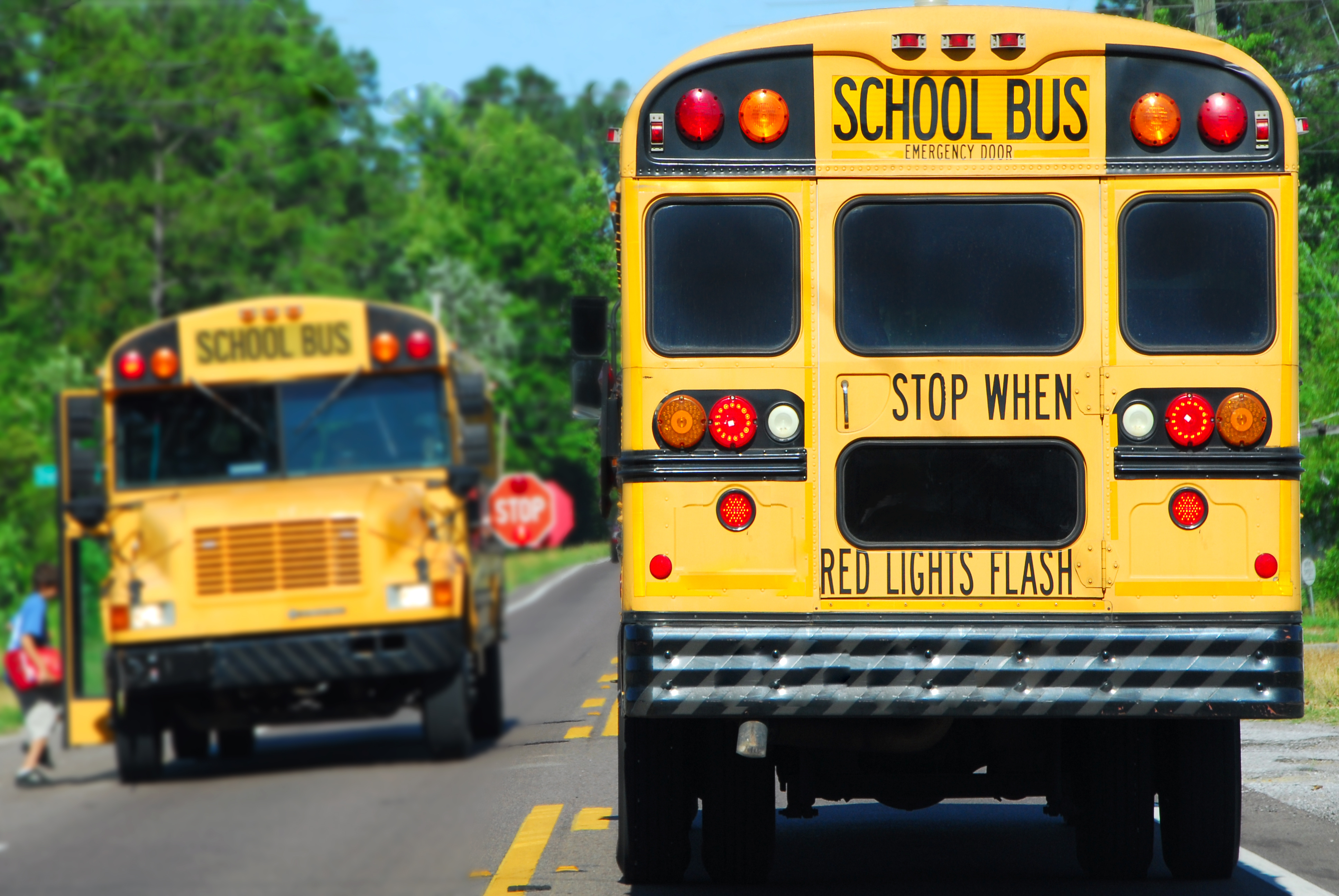
familiarize yourself with your state's school bus laws.
In its guide, Reducing Illegal Passing of School Buses, the National Highway Traffic Safety Administration (NHTSA) reports that school buses are illegally passed approximately once per day on average. Some buses are even passed on the right side—the side where children enter and exit the bus.
Do I Need a USDOT Number?
This is a question we frequently receive from our customers, so we wanted to address it this week.
The question most often arises from customers who operate as intrastate carriers and are subject to their state's regulations rather than the Federal Motor Carrier Safety Administration (FMCSA) interstate regulations.
The following 38 states and Puerto Rico require a USDOT Number for intrastate operations:
Alabama, Alaska, Arizona, California, Colorado, Connecticut, Delaware, Florida, Georgia, Hawaii, Idaho, Indiana, Iowa, Kansas, Kentucky, Maine, Maryland, Massachusetts, Michigan, Minnesota, Missouri, Montana, Nebraska, Nevada, New Jersey, New York, North Carolina, Ohio, Oklahoma, Oregon, Pennsylvania, South Carolina, Texas, Utah, Washington, West Virginia, Wisconsin, Wyoming, and Puerto Rico.
What Is a USDOT Number?
Companies that operate commercial vehicles transporting passengers or hauling cargo in interstate commerce must register with the FMCSA and obtain a USDOT Number.
In addition, intrastate carriers transporting hazardous materials that require a safety permit must also obtain a USDOT Number.
A USDOT Number serves as a unique identifier that allows the FMCSA to collect and monitor a company's safety information gathered through audits, compliance reviews, crash investigations, and roadside inspections.
CVSA Brake Safety Week Scheduled for August 23–29
This year's CVSA Brake Safety Week is scheduled for August 23–29, according to the Commercial Vehicle Safety Alliance (CVSA).
The enforcement campaign is part of the larger Brake Safety Awareness Month, which takes place throughout August.
During CVSA's annual enforcement event, roadside inspectors will:
- Focus on brake systems and components while conducting North American Standard Inspections.
- Place special emphasis on brake drums and rotors during this year's inspections.
The CVSA will publish a report on its findings later this year.
Brake Safety Week also provides an excellent opportunity for motor carriers to educate drivers and maintenance personnel about the importance of brake safety and the role proper maintenance plays in preventing crashes and keeping commercial vehicles operating safely.


